


Make A Donation
Help protect the refuge wildlife and their habitats by making a contribution to the Back Bay NWR Society. Support our advocacy, outreach, and education for the betterment of the Refuge.
MISSION
Back Bay National Wildlife Refuge Society is the primary partner and Friends group of the the Back Bay National Wildlife Refuge.
Learn MoreVOLUNTEER
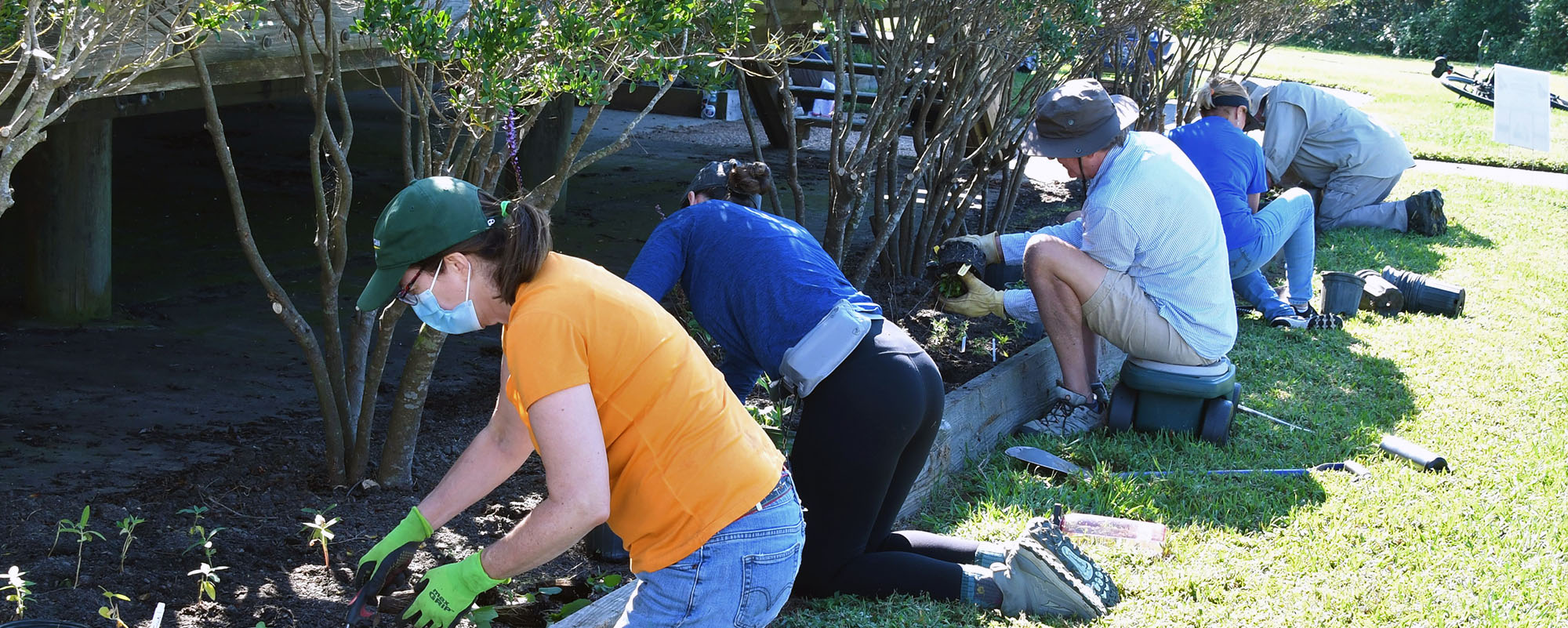
Gain new experiences and meet new people while helping to advance wildlife conservation. Preserve and protect habitat and wildlife.
Learn MoreMEMBERSHIP
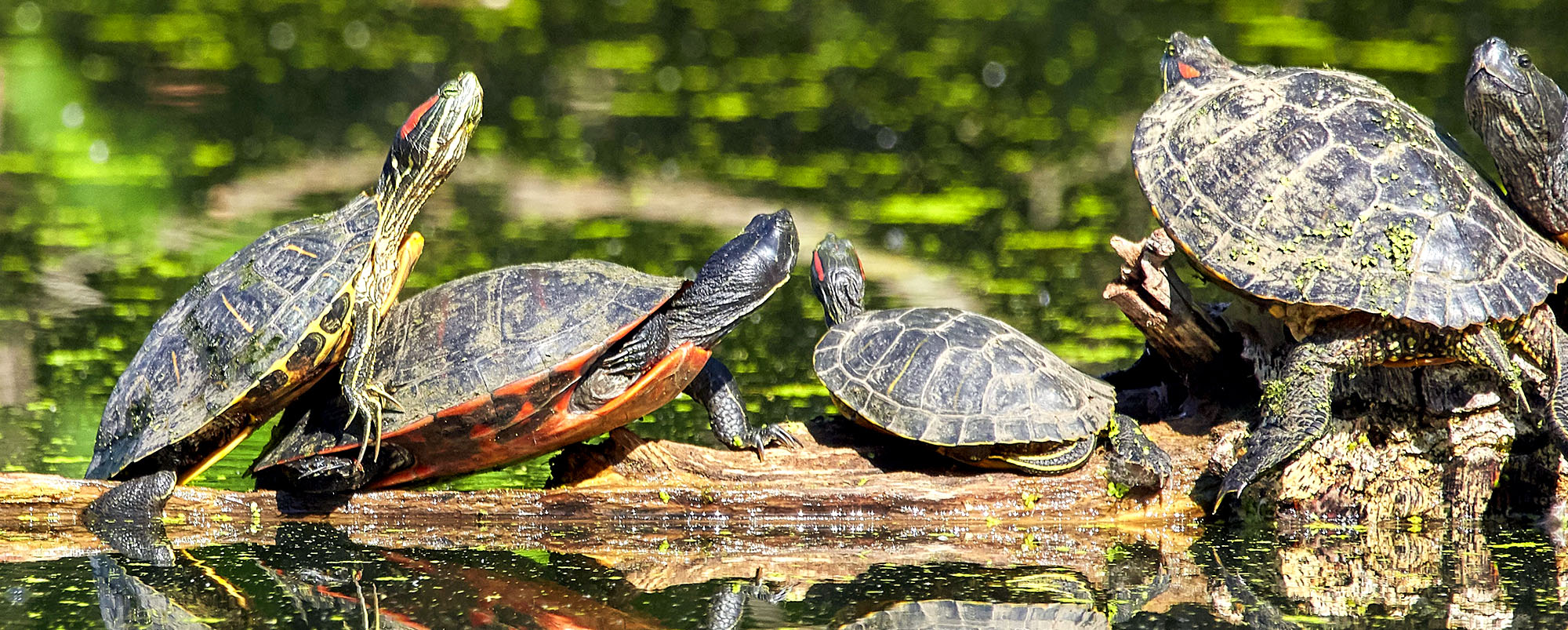
There are no dues required for Society membership. The Society depends on donations to fund programs and projects.
Learn MoreTurtle nesting season 2026
Oct. 2026 Nor’easter storm update
Written by: Lauren Billodeaux Mowbray, Supervisory Wildlife Biologist, Back Bay National Wildlife Refuge
Leatherback Sea Turtle Nest on Dam Neck (DN#2): This nest was washed over and washed out during the Nor’easter. However, this happened right as we expected this nest to hatch. Our hope is that fully developed, hatched our turtles just got a quick release into the ocean and they all headed out swimming. I have not heard of any dead leatherback babies or eggs being washed back up on shore so I’m optimistic that the hatchlings are out doing their thing.

Loggerhead Nest at State Line on False Cape State Park (FC#3): This nest was washed over during the storm but stayed intact. Similar to the leatherback this nest was expected to hatch those days. We excavated the nest last Tuesday. This nest had been relocated and there were 117 original eggs. Upon excavation we found 51 unhatched eggs (50 with no embryo and one with an advanced stage embryo), 5 predated eggs and 56 hatched eggshells. We also found two live hatchlings that released themselves straight to the ocean once they were placed on the surface.

Green Nest on Back Bay NWR (BB#1): Though many of the dunes along our shoreline were eroded the green nest was only washed over. The poles and cage all still in place. We don’t expect hatching in this nest until the end of the month or early November. It will depend on how cool the temperatures are this month. I will keep you all posted on how this nest does but for now it seems to be good.
False Cape Nest #2
Written by: Lauren Billodeaux Mowbray, Supervisory Wildlife Biologist, Back Bay National Wildlife Refuge
…we did have one live hatchling. That hatchling was released at sunset that evening (August 31, 2026).
False Cape Nest #2 was expected to hatch the evening of August 31, 2026. After watching the nest for a week past that date with no activity we did an excavation on Tuesday afternoon. With False Cape Staff we went into the nest cavity to find 126 unhatched eggs. Of the ones we opened they all looked “cooked”. The nest was very shallow, and we are wondering if the shallow nest and warm temperatures this summer played a role in the survival of this nest. In the lower part of the nest we did find three hatchlings. Two of them were unfortunately dead but we did have one live hatchling. That hatchling was released at sunset that evening.
First nest on False Cape State Park hatched
Written by: Lauren Billodeaux Mowbray, Supervisory Wildlife Biologist, Back Bay National Wildlife Refuge

Early last Thursday morning, Aug 27th, 2026, the first nest on False Cape State Park hatched. First hatchlings emerged at 12:35. The main boil (est. 86 hatchlings) occurred at 1:03 and all turtles were in the water by 1:18. The remaining 25 hatchlings emerged after 3 AM that morning and possibly some the following evening. The great news is that based on tracks it doesn’t appear that the houses in North Carolina had lighting that impacted the hatchlings’ trip to the water.

We excavated the nest yesterday and confirmed 112 hatched eggs (111 emerged but one hatching was noted caught up on the cage Thursday AM and deceased; one live hatching was found during excavation). Thirteen infertile eggs were unhatched in the nest bringing the clutch total to 125 eggs. Hatch success for this nest was 90%. The live hatchling in the nest was released at the nest site at sunset yesterday evening.
As of yesterday, our patrol season is over so it is unlikely that we will have anymore nests for the year. I’d like to shout out our awesome patrollers who served some early mornings in all weather conditions to check the beach daily!!!!
Back Bay NWR’s first nest
Written by: Lauren Billodeaux Mowbray, Supervisory Wildlife Biologist, Back Bay National Wildlife Refuge

It was almost a shutout, but at the end of August our sea turtles decided to grace Back Bay NWR with their first nest. We have been teased with two green sea turtle false crawls this year and last night, one laid a nest. 0.4 Miles south of our dune trail a female green sea turtle made a big mess laying a nest right at the wrack line. She threw a ton of sand which fooled us for a bit on where nest might be however we did locate a nest of 123 eggs. We then moved the nest up to the upslope of the fore dunes right near the nest. A sensor was placed in the nest, and the nest was cage and flagged.

We expect this nest to be closer to 70 days of incubation so that puts hatching close to the end of October. There is expected to be light pollution at this nest however the late hatch date may be too cold for emergence. It is undecided if we will have nest sitters, but I will keep all those who attended the training in the loop on the decision.
Update on False Cape nests #1 & #2: Nest #1 is expected to hatch early next week. Due to the short turnaround time on getting nest sitters scheduled, False Cape is using those who are already False Cape volunteers. We will keep you posted on FC#3 nest that will need nest sitters at the end of September as there might be an opportunity to bring on new volunteers. As for Nest #2 it is expected to hatch around the 29th of August. There will be no nest sitters at this nest, but I will keep you posted on the nest status.
Sea turtle nest sitting training on Mon., August 10 at 6:30pm
Sea turtle nest sitting training will take place on Monday, August 10 at 6:30pm at the South Building of the Virginia Aquarium (the one near the Adventure Park and next to Ocean Breeze). There is paid parking at this building but it does not apply to after hours events. While there are no nests on the wildlife refuge beach at this time we still have one month of sea turtle patrols left for the season.
Loggerhead sea turtle nest found on Monday, July 27!
Written by: Erica Ryder, Visitor Services Specialist, Back Bay National Wildlife Refuge

This past week has been full of sea turtle activity! On Saturday, July 25 a false crawl was found in between the Seaside and Dune Trails. The false crawl was made by a green sea turtle. Interestingly, this crawl is quite close to the previous green sea turtle false crawl.

While the green sea turtle did not return to our beach, a loggerhead sea turtle nest was found on Monday, July 27! After much digging the patrolling team, nest response team and Virginia Aquarium found the eggs. The nest was laid approximately 1/8 of a mile from the North Carolina border, in an area with steep sand dunes. To best protect the nest it was relocated near the first nest of the season, right at the border. The expected hatch date for this nest is September 25.
Crawl just north of the Dune Trail at Back Bay NWR
Written by: Lauren Billodeaux Mowbray, Supervisory Wildlife Biologist, Back Bay National Wildlife Refuge

Yesterday, July 9, 2026, morning around 6:30 we detected a crawl just north of the Dune Trail at Back Bay NWR. Upon the team’s arrival we noted that it was a green sea turtle crawl. The turtle crawled all the way up to the dunes, so we were hopeful of a nest. In the first spot where she hit the dunes, she seemed to turn around pretty quickly in grass and on a steep slope. Then she looped down and went back up on the dunes in a second location, and we hoped that was going to be a nest. It was a larger dig area, and it looked like she started to dig a body pit but after lots of digging we found no nest cavity. We also noted that there was no thrown sand and coyote tracts all over the area as well as coyote marking. Our hypothesis is that she was digging a body pit and was interrupted by coyotes and headed straight back to the water.
We did leave a post at the site in case we get indications later in the year of a hatching. Unfortunately, today we got no signs of another crawl so she may have gone south the attempt a nest.
Nest #3 for VA Beach located on False Cape State Park
Written by: Lauren Billodeaux Mowbray, Supervisory Wildlife Biologist, Back Bay National Wildlife Refuge

Once the turtles got started, they continued. Last Thursday, July 2, 2026, we had nest #3 for VA Beach and it was located on False Cape State Park. I was actually on the patrol that morning and found a smaller loggerhead crawl 0.8 miles south of the Wash Woods beach ramp on False Cape SP. This momma did a nice long crawl over a wide beach and up into the dunes. She managed to tuck her nest right in the grass so once the eggs were located we were able to put in a sensor and cage in place.
With the nest being up in the dunes, I’m expecting an earlier hatch and maybe we will see hatchlings around the 55-day mark. We have no concerns with lighting or public at this site so we will not be nest sitting this nest.
Projects
CHRONOLOGY
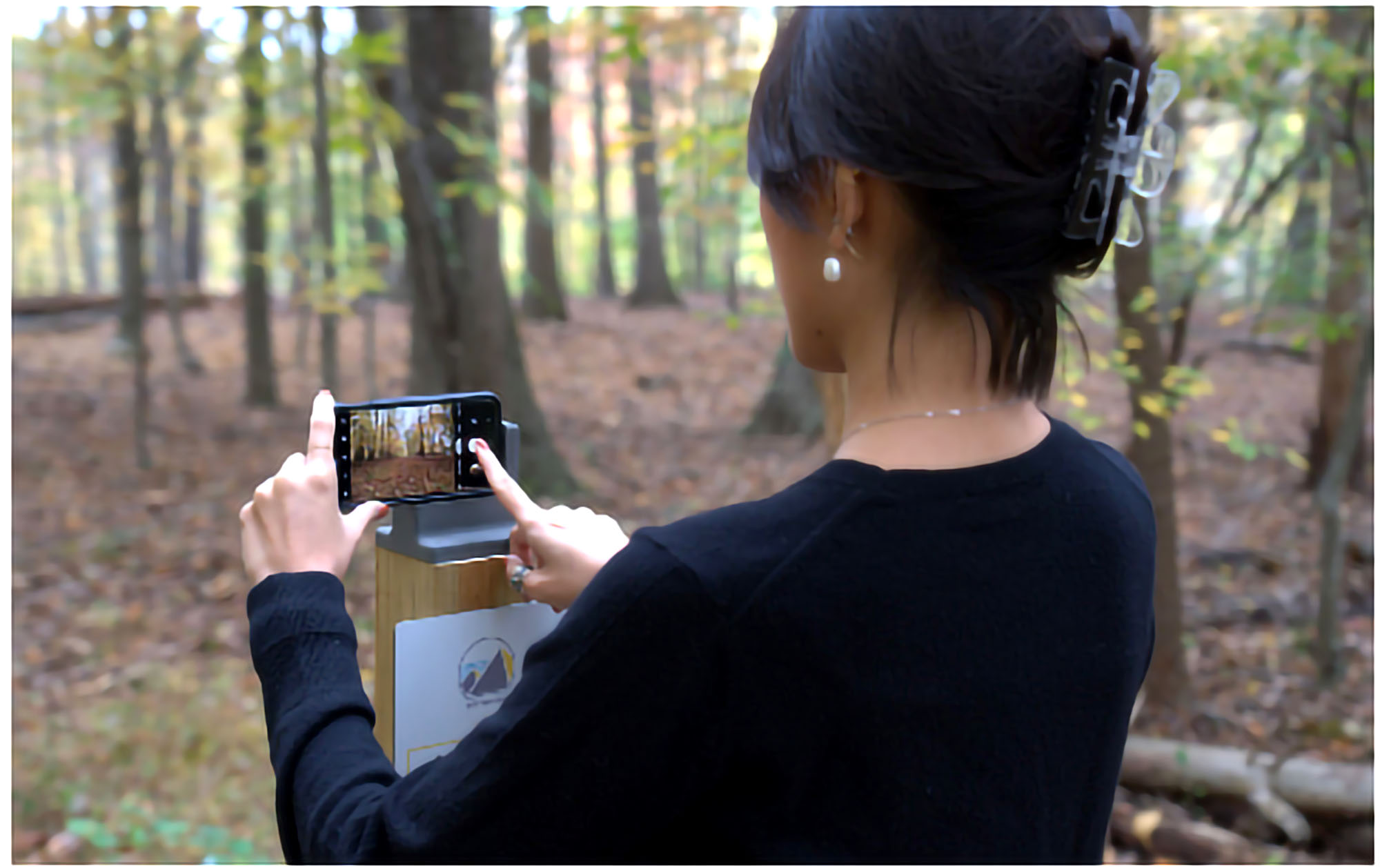
A citizen science project with the Back Bay National Wildlife Refuge.
Refuge visitors upload photographs from their phones at four designated locations. Photographs contribute to scientific documentation of the refuge habitats. By automatically appearing in time-lapse videos that are available online.
LEARN MOREProjects
Gardens

Monarch garden a safe habitat for migrating monarch butterflies
Monarch butterflies have suffered a drastic reduction in population in the last 30 years. Some estimates indicate a population decline of 90%. The most common reason cited for this dramatic decline is loss of habitat. Given the success of the pollinator garden and the fact that Back Bay is on the Monarch’s eastern migratory flyway, it was decided to put in a monarch specific garden at the Refuge.

Pollinator & Monarch garden updates

Pollinator garden an aesthetically pleasing addition to the Visitor Center entrance ways
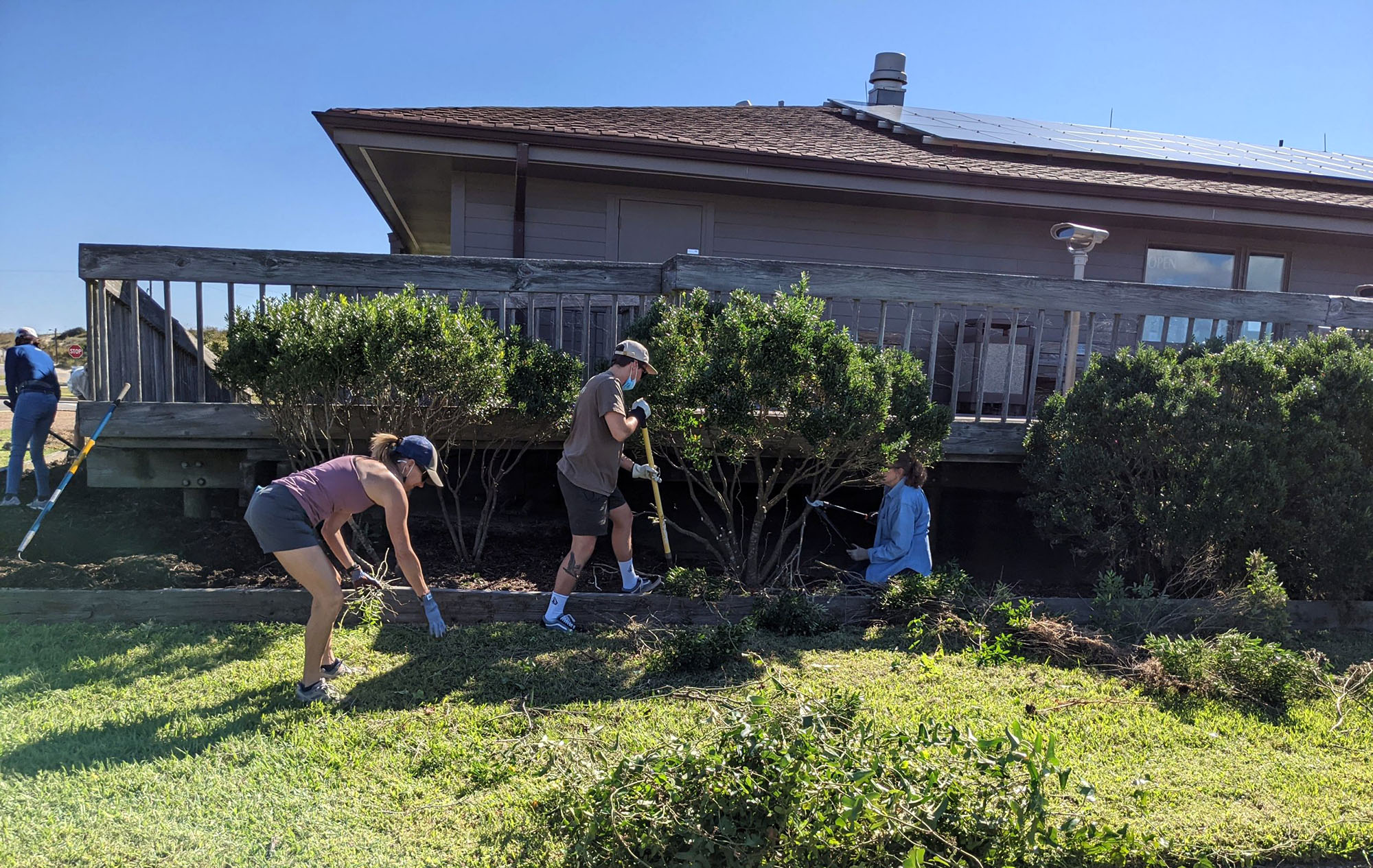
Volunteers removed and pruned old vegetation, cultivated and amended soil, and filled beds with native plants supporting pollinators and wildlife Garden beds are maintained by volunteers throughout the year. Signage and visitor outreach is being planned
LEARN MOREProjects
National recreation trails
Back Bay National Wildlife Refuge trails designated National recreation trails
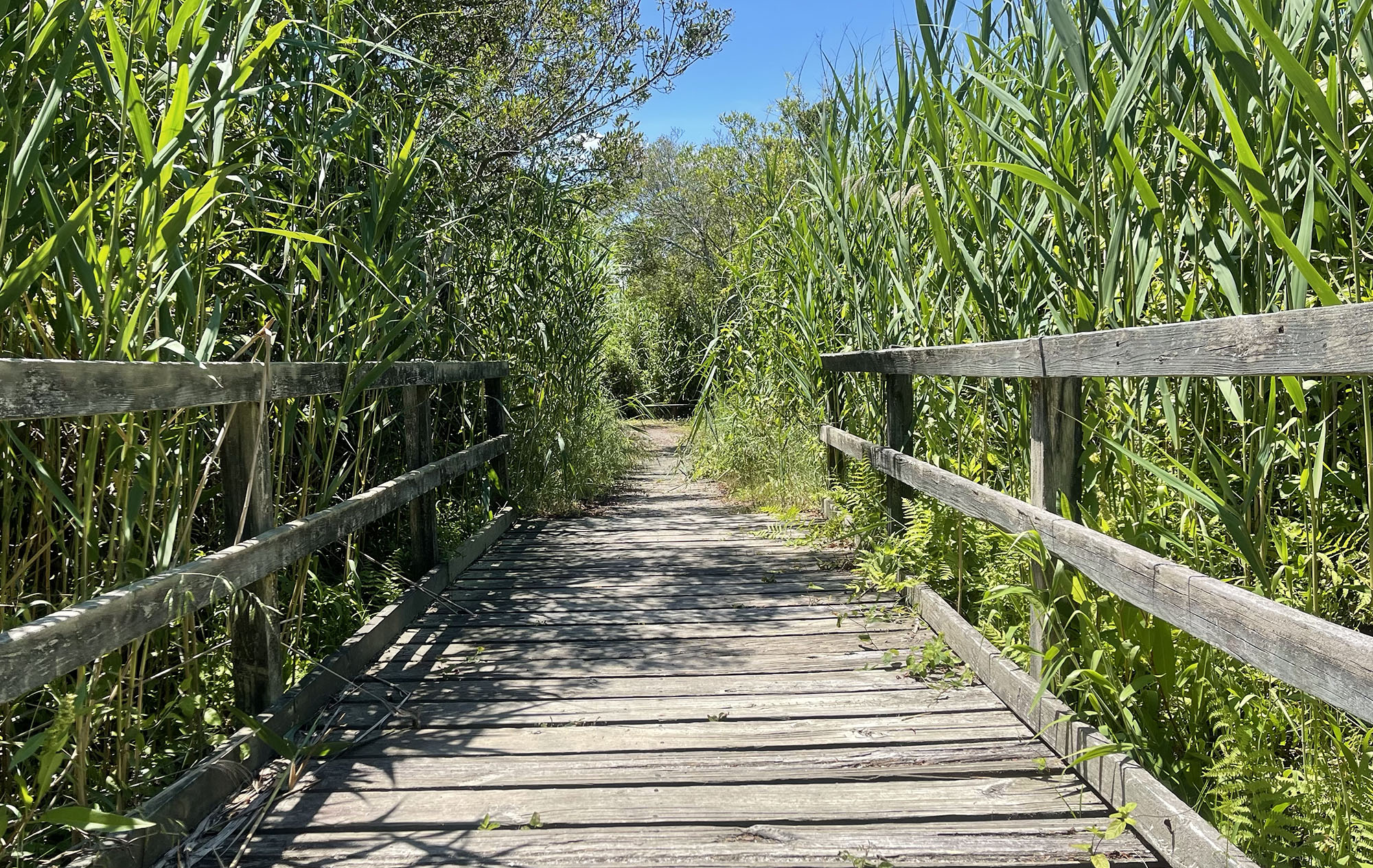
The 2.7 miles of the Back Bay National Wildlife Refuge Trail System consists of seven, interconnected trails that provide opportunities to observe the wildlife and vegetation of the refuge’s seven distinct habitats- ocean, beach, marsh, shrubs, grassland, maritime forest and freshwater bay. Trail surfaces vary from boardwalk, crushed stone, sand and gravel.
LEARN MOREBack Bay NWR Society
1324 Sandbridge Road, Virginia Beach, VA 23456
